
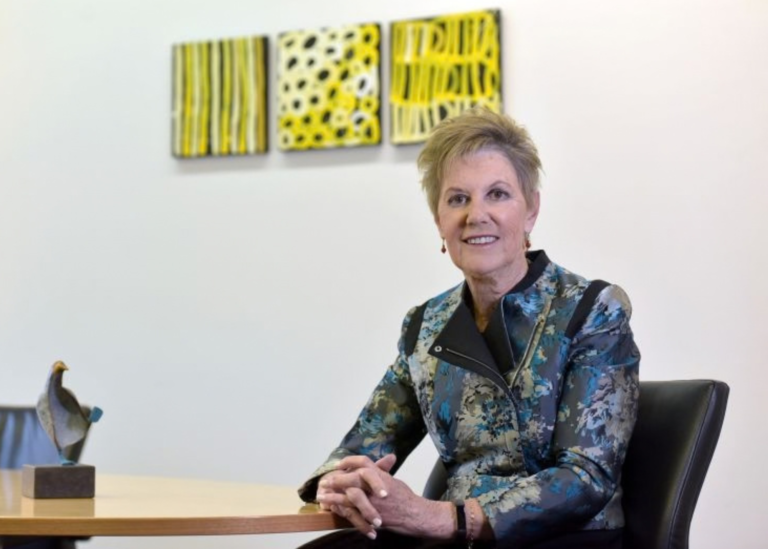
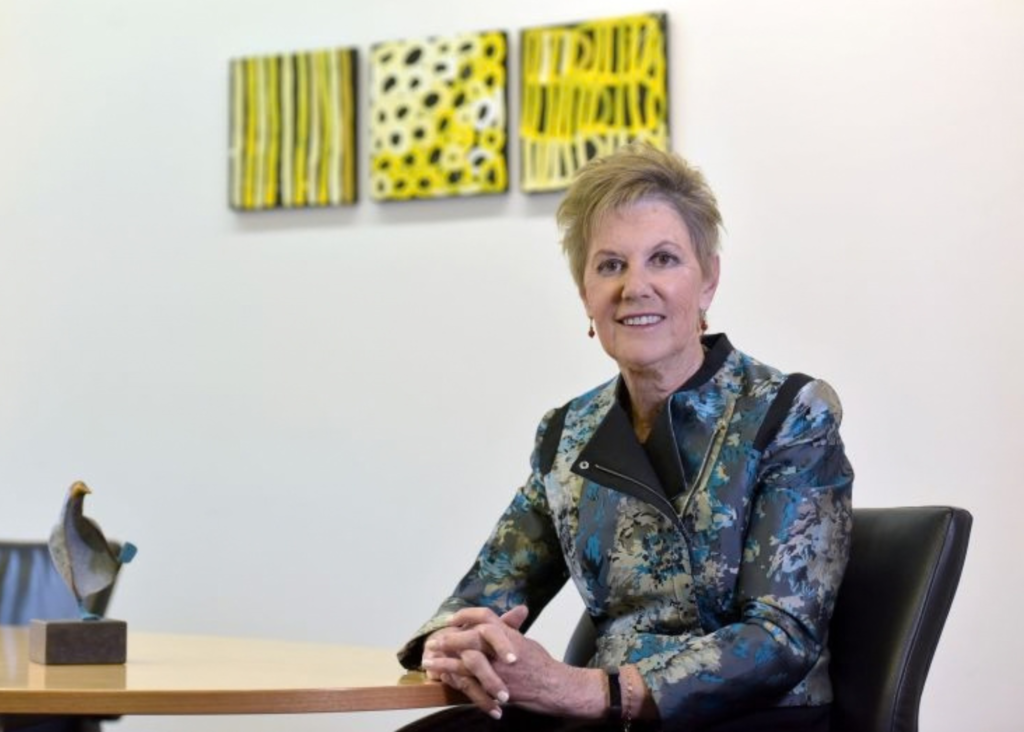
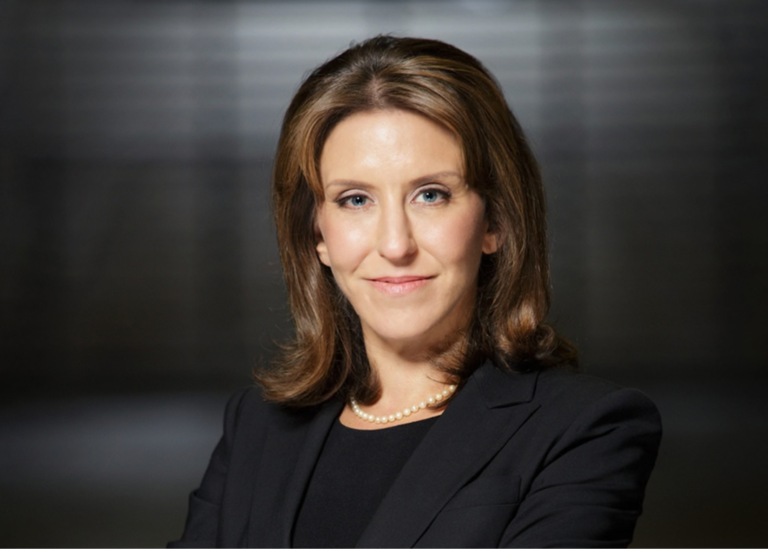
Honourable Diana Bryant AO KC
The Honourable Diana Bryant AO KC is a former Chief Justice of the Family Court of Australia and a distinguished leader in Australian family law.
She served as Chief Justice of the Family Court of Australia from 2004 until her retirement in 2017. Prior to that appointment, she was the inaugural Chief Federal Magistrate of the Federal Magistrates Court of Australia from 2000 to 2004, playing a central role in the establishment and development of the new court.
Before joining the judiciary, Diana practised extensively in family law. She was a partner in a national legal practice in Perth before joining the Victorian Bar, where she specialised in family law and de facto property matters and was appointed Queen’s Counsel in 1997.
Throughout her career, Diana has been a strong advocate for the advancement of women in the legal profession and has contributed to a wide range of professional, judicial and law reform organisations. Following her retirement from the bench, she has continued her work in family law, particularly in areas affecting children and families, as well as international family law and dispute resolution.
Her current and recent leadership roles include Chair of the Board of the World Congress on Family Law and Children’s Rights, Chair of the National Centre Against Bullying, President of the Graduate Union of the University of Melbourne, Board member of the Australian Chapter of the Association of Family and Conciliation Courts, Patron of the Asian Australian Lawyers Association and Chair of the Australian Law Schools Standards Committee.
Diana received the Centenary Medal in 2001 in recognition of her role in establishing the Federal Magistrates Court and was appointed an Officer of the Order of Australia for her distinguished service to the judiciary and the law, particularly in family law and for her contribution to the advancement of women in the legal profession.

Tim Cartright APM
Tim Cartwright APM is a former Acting Chief Commissioner and Deputy Commissioner of Victoria Police, with more than four decades of experience in policing, community engagement, public safety and organisational leadership.
Tim joined Victoria Police in the 1970s and spent his early career working across Melbourne’s northern suburbs in uniform, criminal investigation and plain-clothes roles. He later held senior positions focused on community engagement, policy and regional policing, with community involvement remaining a central focus throughout his career.
In 2008, Tim was promoted to Assistant Commissioner and subsequently led the development of Victoria Police’s new regional structure. In 2010, he became the first Assistant Commissioner responsible for the newly established North West Metro Region. He was appointed Deputy Commissioner in 2012, taking responsibility for Regional Operations and Road Policing across Victoria.
Tim also played senior leadership roles in policing major events, including AFL Grand Finals, the Spring Racing Carnival and Melbourne Cup, and the 2006 Commonwealth Games.
In January 2015, Tim became Acting Chief Commissioner of Victoria Police. During this period, he oversaw significant organisational priorities including the establishment of a dedicated Family Violence Command and work to strengthen Victoria Police’s response to family violence, harassment and predatory behaviour. He retired from Victoria Police in July 2015 after 41 years of service.
Following his policing career, Tim continued his contribution to public service as Victoria’s inaugural Family Violence Reform Implementation Monitor. In that role, he independently monitored the implementation of reforms arising from the Royal Commission into Family Violence, serving until 2019.
Tim holds a Bachelor of Arts in Criminal Justice and a Graduate Diploma in Public Policy and Management. His career has been characterised by a strong commitment to community engagement, family violence reform, public safety and building trust between police and the communities they serve.

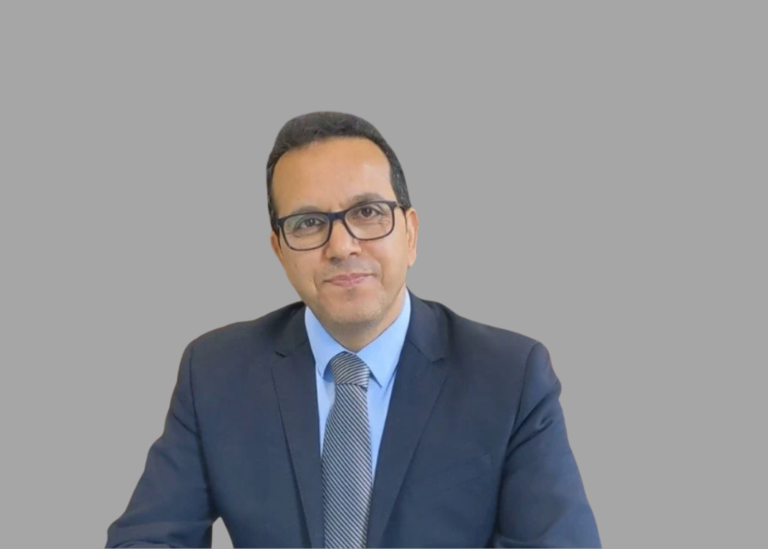
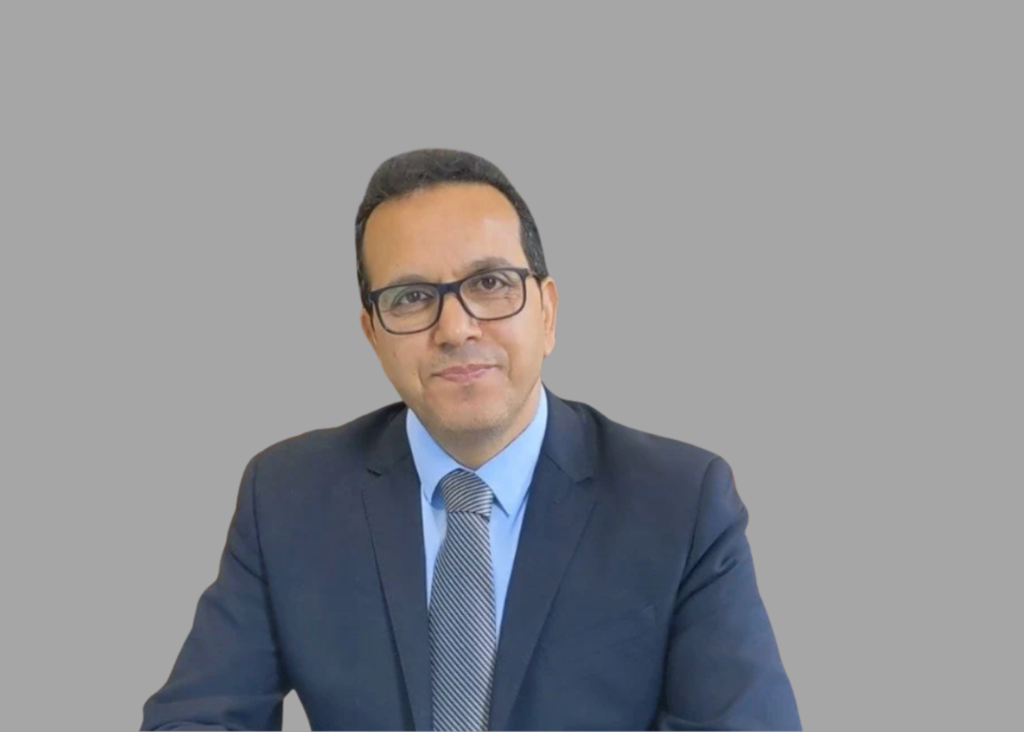
Professor Fethi Mansouri
Professor Fethi Mansouri is a Deakin Distinguished Professor and Founding Director of the Deakin Institute for Citizenship and Globalisation. He is internationally recognised for his research on migration, multiculturalism, intercultural relations, citizenship, identity and social inclusion.
In 2013, Fethi was appointed UNESCO Chair in Cultural Diversity and Social Justice, reflecting his longstanding contribution to research and policy on cultural diversity, human rights, migration and social cohesion. He has also served as a global expert adviser to the United Nations Alliance of Civilizations on cultural diversity and intercultural relations.
Fethi’s research examines the experiences of migrants, refugees and minority communities, as well as the ways societies respond to increasing cultural, religious and ethnic diversity. His recent work has focused particularly on migrant youth and transcultural identities, diaspora humanitarianism and the contested politics of multiculturalism.
He has published extensively on migration, citizenship, multiculturalism, Muslim communities, identity and belonging, and the politics and societies of the Middle East. His influential publications include *Lives in Limbo: Voices of Refugees under Temporary Protection*, *Islam and Political Violence*, *Identity, Education and Belonging*, *Migration, Citizenship and Intercultural Relations* and *Interculturalism at the Crossroads*. *Lives in Limbo* was shortlisted for the 2004 Human Rights Medals and Awards.
Fethi has also played a prominent role in international research and dialogue initiatives aimed at strengthening intercultural understanding, social inclusion and peaceful relations between diverse communities. His work brings together academic research, public policy and community engagement to address some of the most significant challenges facing multicultural societies today.
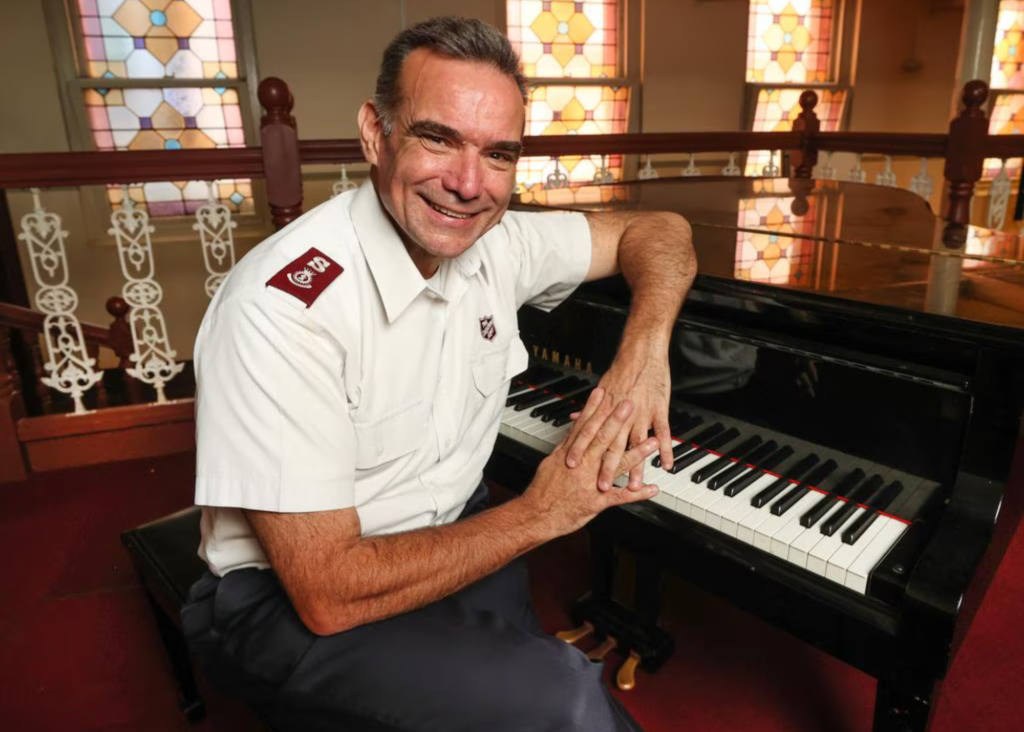
Major Brendan Nottle
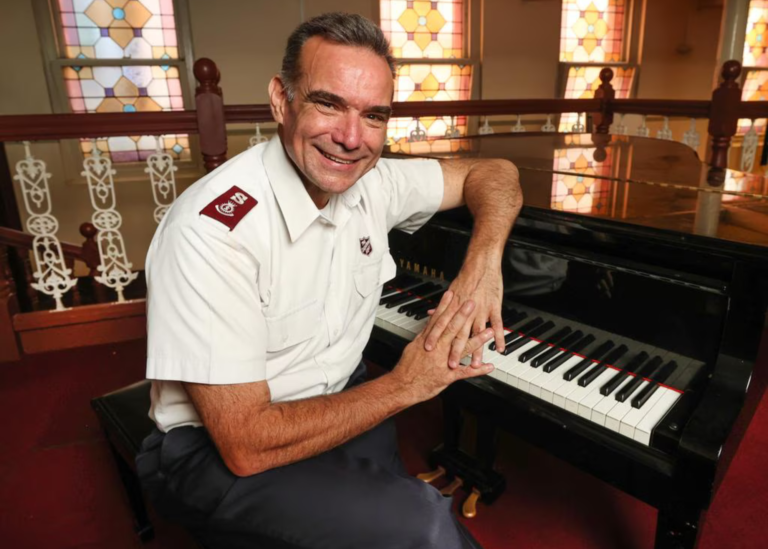
Major Brendan Nottle is a Salvation Army officer and longstanding advocate for people experiencing homelessness, disadvantage and social isolation in Melbourne.
Brendan has served as a Salvation Army officer for more than 35 years and, since 2003, has worked alongside his wife, Major Sandra Nottle, at Melbourne Project 614 in the heart of the city. Together with their team, they provide practical support, advocacy and opportunities for connection to people experiencing homelessness, mental health challenges, addiction and social disadvantage.
A central part of Brendan’s approach is building genuine one-on-one relationships and ensuring that people are treated with dignity and respect. He has also been a prominent advocate for stronger responses to homelessness and housing insecurity. In 2017, he walked more than 700 kilometres from Melbourne to Canberra to call for a national response to Australia’s homelessness and housing crisis.
Brendan has contributed to a range of government and community initiatives, including the Premier’s Ice Action Taskforce and the Victorian Housing Minister’s Rough Sleeper’s Roundtable. He has also served for many years as chaplain to the Collingwood Football Club.
His contribution to Melbourne has received significant recognition. In 2013, Brendan was named Melburnian of the Year for his compassionate and tireless work supporting people experiencing homelessness and disadvantage. He was also recognised as a Moomba Monarch and was a Victorian finalist for the 2020 Australian of the Year.
Brendan remains deeply committed to social justice, community transformation and ensuring that people who are marginalised are seen, heard and supported.

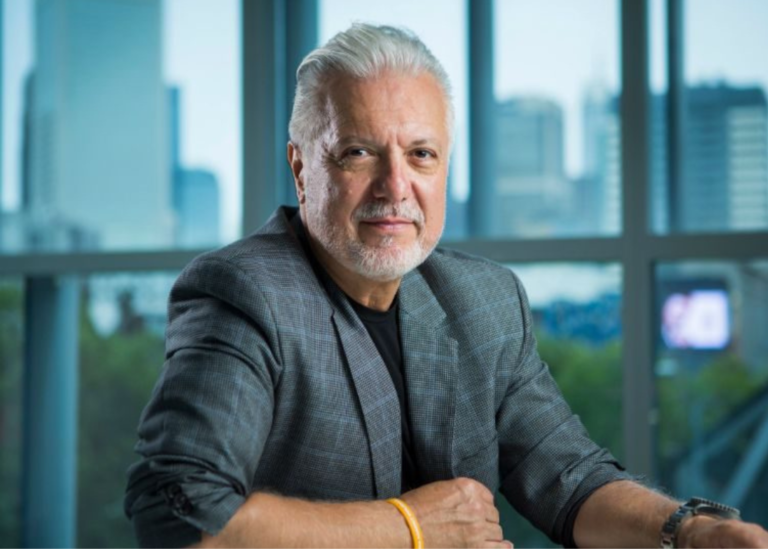
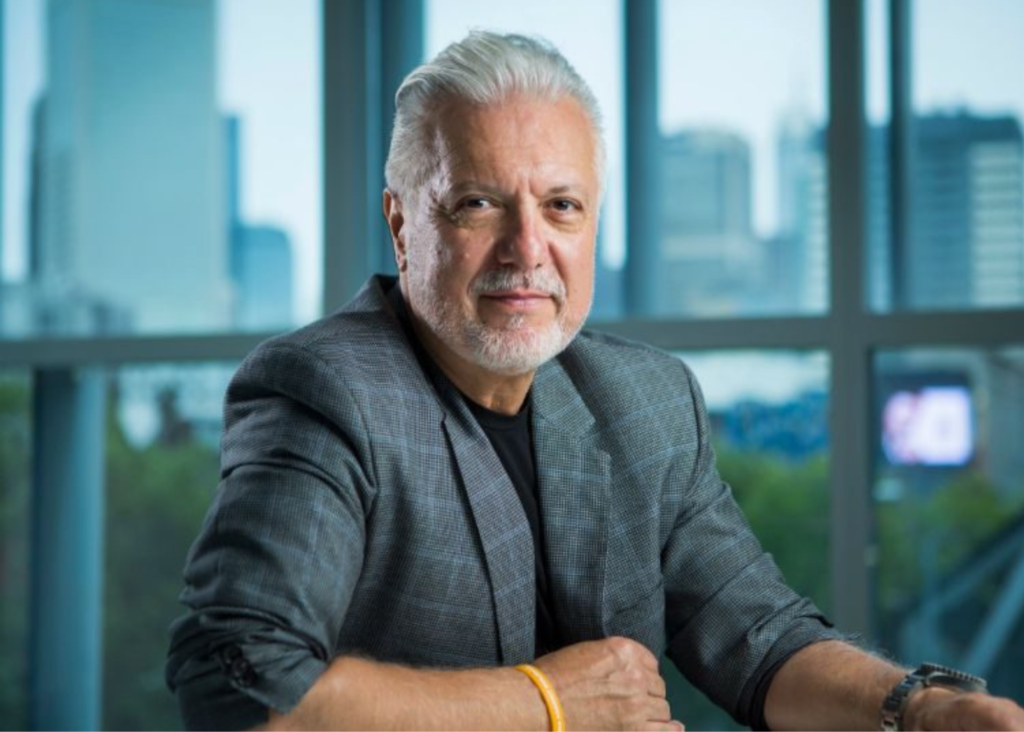
George Donikian
George Donikian is one of Australia’s most experienced broadcasters, with a media career spanning more than five decades across television, radio, sport and documentary production.
George began his career in radio in the 1970s before moving into television in 1980. He became the first news anchor of what would become SBS, helping establish the network’s pioneering World News service and presenting the program for more than eight years. His role made him one of the most recognisable early faces of multicultural broadcasting in Australia.
In 1988, George joined the Nine Network, where his work included Today, Wide World of Sports, Sports Sunday, National Nine Morning News and Coast to Coast. His longstanding passion for sport also saw him cover major events including World Cup football, rugby league, cricket and the Olympic Games.
George joined Network Ten in 1991 and became a prominent news presenter in Adelaide, anchoring Ten News at Five for many years before later presenting news in Melbourne. He left Network Ten in 2011 following a distinguished career across three major Australian television networks.
In 2010, George established Donikian Media, where he continues to work in broadcasting, documentary production, media and presentation training, public speaking and event hosting. He has also remained actively involved in community and multicultural initiatives throughout his career.

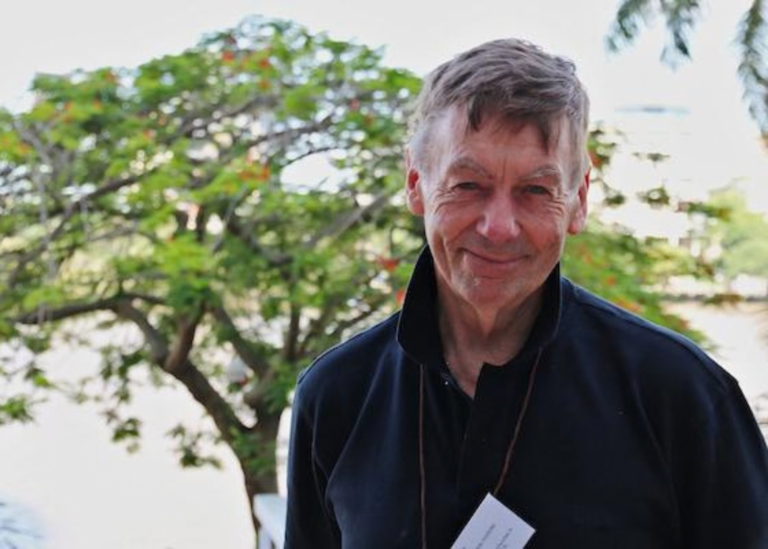
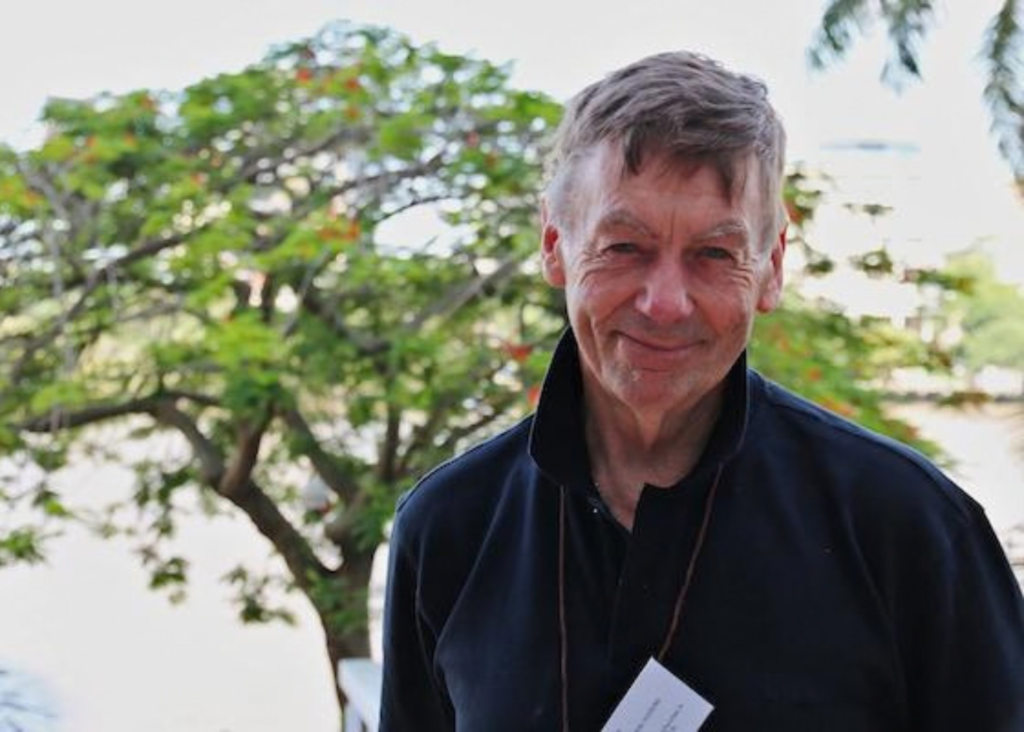
Bishop Philip Huggins
Bishop Philip Huggins is an Anglican bishop, interfaith leader and longstanding advocate for peace, social justice and multicultural understanding.
Ordained in 1977, Philip has served in a wide range of ministry roles across regional Victoria and metropolitan Melbourne, as well as as Assistant Bishop in Perth and Bishop of Grafton in New South Wales. He later returned to Melbourne, where he served as a bishop within the Anglican Diocese of Melbourne, including responsibility for parishes across Melbourne’s northern and western regions and Geelong.
Throughout his ministry, Philip has been deeply engaged in ecumenical and interfaith dialogue, multicultural affairs, refugee issues, social justice and community welfare. He has held leadership roles with organisations including the Brotherhood of St Laurence, ACT for Peace and the National Council of Churches in Australia.
From 2016 to 2021, Philip served as President of the National Council of Churches in Australia, helping strengthen cooperation between Christian traditions and contributing to national conversations on peace, justice, reconciliation and the role of faith in public life.
He has also contributed to interfaith and peace-building initiatives in Australia and internationally and continues to write and speak on spirituality, peace, climate responsibility and the importance of dialogue across religious and cultural communities.
Philip has had a longstanding association with the Australian Intercultural Society and continues to support initiatives that bring people of different faiths and backgrounds together in a spirit of understanding and mutual respect.

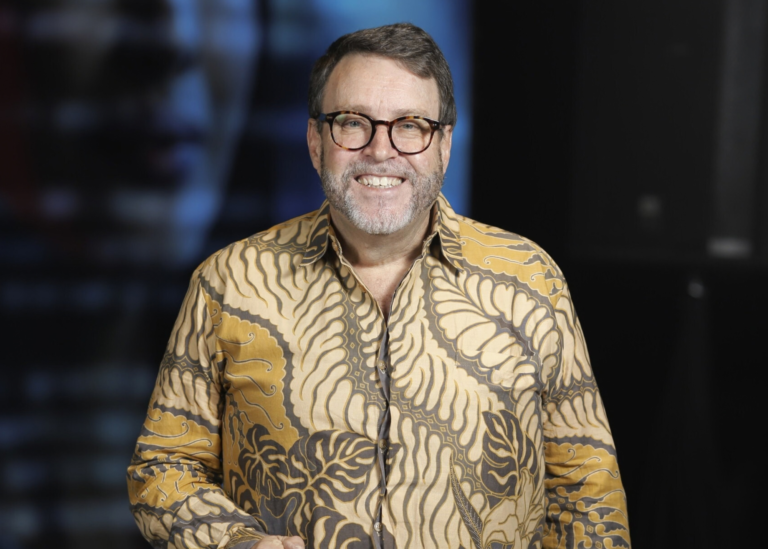
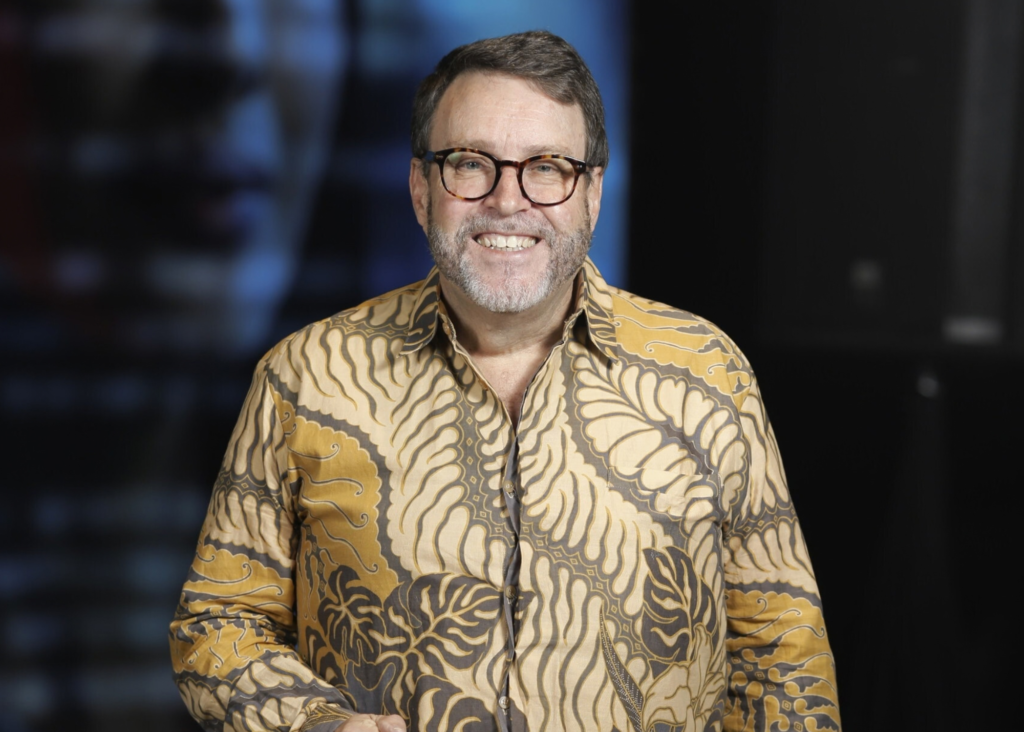
Professor Greg Barton
Professor Greg Barton is Chair in Global Islamic Politics at Deakin University and a leading Australian scholar of Islam, Muslim societies, Indonesian politics, terrorism and countering violent extremism.
For more than three decades, Greg has been actively involved in interfaith and intercultural dialogue and has maintained a strong commitment to building greater understanding of Islam and Muslim communities. His research explores how religious ideas, individual believers and religious communities respond to modernity, social change and the modern nation state.
Greg has undertaken extensive research on Indonesian politics and society, particularly the role of Islam, Muslim civil society and progressive Islamic thought. His work has also included comparative research on Islamic movements and political and religious change in Southeast Asia, Turkey and the broader Muslim world.
Alongside his work on religion and politics, Greg has longstanding research interests in international relations, security studies, human security, terrorism and violent extremism. A significant focus of his work has been understanding the factors that contribute to radicalisation and developing evidence-based approaches to preventing and countering violent and hateful extremism.
He is also co-director of the Deakin Researching Religion Group, which brings together research on religion, spirituality and their role in contemporary societies.

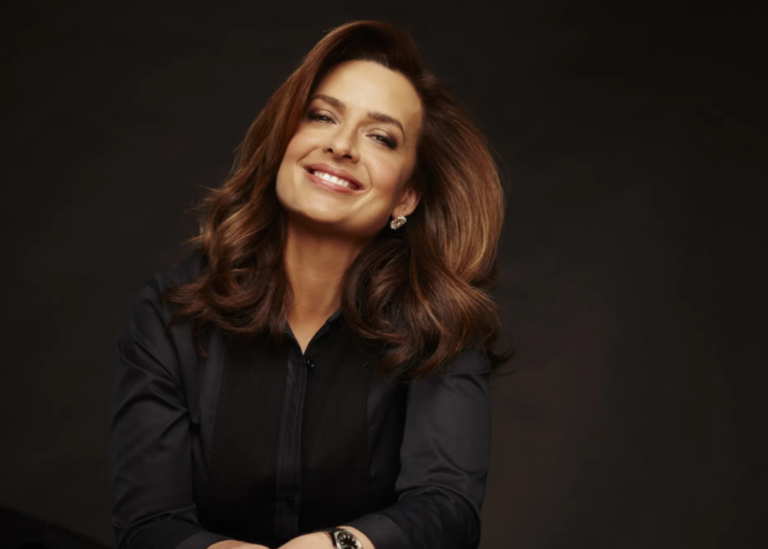
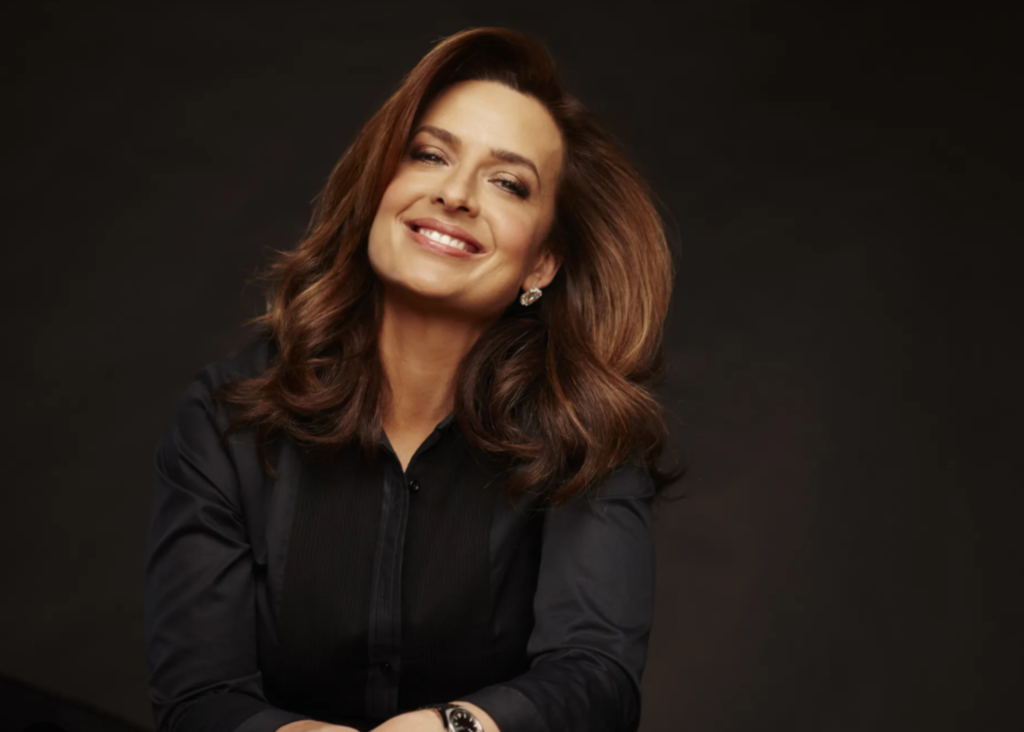
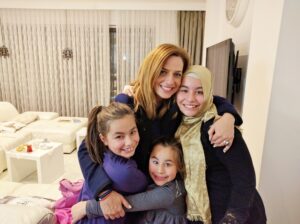
Helen Kapalos
Helen Kapalos is an award-winning journalist, filmmaker, speaker and advocate with more than two decades of experience across Australian television, radio and public life.
Helen has worked across all three commercial television networks as well as Australia’s public broadcasters, building a career in journalism, presenting, interviewing and documentary storytelling. Her work has focused strongly on social issues, multiculturalism, public policy and stories that give voice to people and communities often overlooked in mainstream debate.
From 2015 to 2019, Helen served as Chairperson of the Victorian Multicultural Commission. During her tenure, she championed greater inclusion, stronger community engagement, youth leadership, culturally responsive approaches to family violence and improved settlement outcomes for newly arrived Victorians.
Helen is also the writer, director and executive producer of the documentary A Life of Its Own: The Truth About Medical Marijuana, which explored medicinal cannabis through the experiences of patients and families and contributed to wider public debate about access and reform in Australia.
Today, Helen continues to work as a journalist, filmmaker, speaker and adviser, with a particular interest in diversity, inclusion, ethical leadership, belonging and the power of storytelling to influence public understanding.
A proud Greek Australian, Helen has also been a longstanding advocate for multicultural communities and for recognising the role that identity, culture and lived experience play in shaping Australian society.

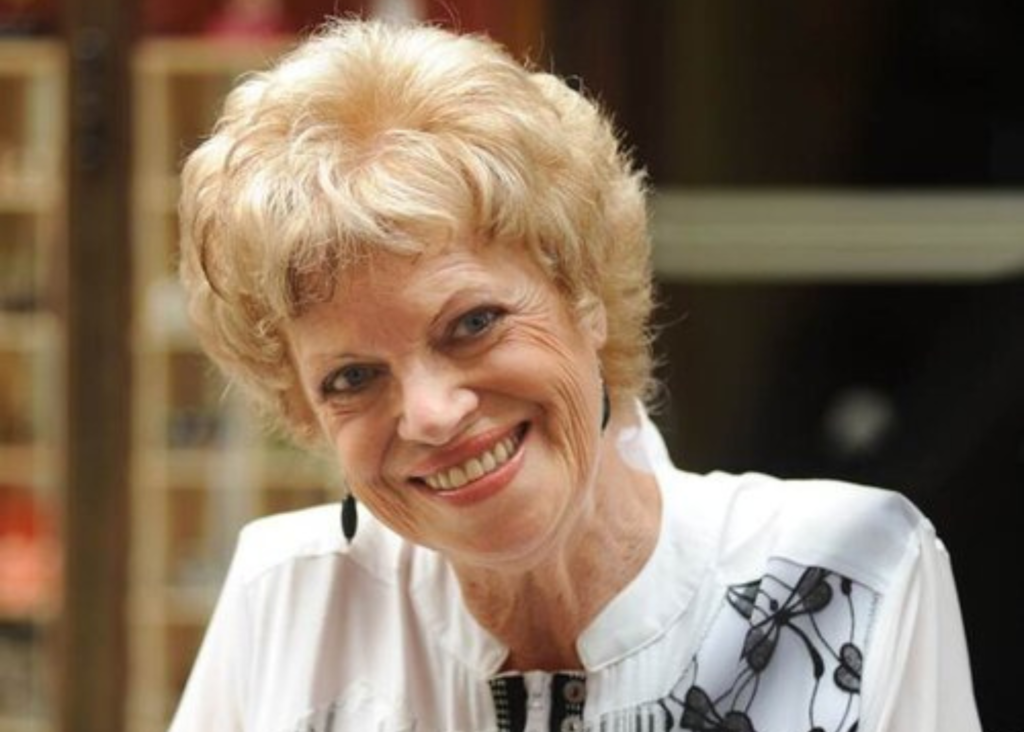
Susan Riley OAM
Susan Riley OAM has extensive experience in local government, business, publishing and community engagement, and has been a longstanding advocate for Melbourne, small business, women in business and community development.
Susan served three terms as Deputy Lord Mayor of Melbourne, from 2001 to 2004, 2008 to 2012 and 2012 to 2016, becoming the first woman to hold the position. She later returned to the City of Melbourne as a Councillor, serving until 2020.
During her time on Council, Susan held a range of leadership responsibilities, including Chair of Small Business, Retail and Hospitality and Deputy Chair of Prosperous City. Her work reflected a strong commitment to supporting local businesses, strengthening Melbourne’s city economy and encouraging community participation.
Susan has also enjoyed a long career in publishing and media and has held a range of board and advisory positions, including with Procurement Australia, the Australian Intercultural Society and the RMIT University School of Fashion and Textiles.
Her contribution to local government has received significant recognition. She received a 15 Years Councillor Service Award from the Municipal Association of Victoria and, in 2024, was awarded the Medal of the Order of Australia (OAM) for service to local government and to the community of Melbourne.
Susan remains passionate about Melbourne and continues to advocate for small business, women in business and community development.


Nick Hatzoglou
Nick Hatzoglou is a multicultural sport and community engagement specialist with more than 25 years of experience across Australian sport, local government and the multicultural sector.
Australian-born with Greek heritage, Nick has built his career around using sport as a vehicle for inclusion, participation and stronger community connections. He has worked with organisations including the AFL, Cricket Australia, Cricket Victoria and Football Victoria, developing programs that support multicultural communities and make sporting clubs more welcoming and representative of the communities they serve.
Nick has held senior roles in diversity and inclusion, including leading multicultural football initiatives with the AFL and community projects at Football Victoria, where his work encompassed multicultural, Indigenous, disability and LGBTI+ inclusion. He later worked with CulturalPulse, including as Community Champions Manager for the FIFA Women’s World Cup 2023.
He has a longstanding connection with community cricket and continues to be actively involved with Sunshine Heights Cricket Club in Melbourne’s west, a club well known for welcoming players from migrant and refugee backgrounds. He currently serves as Vice President – Strategy.
Nick believes sport can play a powerful role in bringing people from different cultural backgrounds together, strengthening social cohesion and creating a greater sense of belonging.
Dr Leslie Cannold
Dr Leslie Cannold is an ethicist, author, educator and public commentator whose work focuses on ethical leadership, gender equity, bioethics and social change.
Leslie is currently Head of Programs at the Cranlana Centre for Ethical Leadership at Monash University, where she works with leaders from across Australia’s private, public and not-for-profit sectors to strengthen ethical decision-making and leadership. She has extensive experience designing and delivering programs on ethical and inspirational leadership, inclusion, gender equity and respectful relationships.
Leslie holds a Bachelor of Arts from Wesleyan University in the United States, postgraduate qualifications in bioethics from Monash University and a PhD from the University of Melbourne. She began her academic career as a Research Fellow at the Centre for Applied Philosophy and Public Ethics and became one of Australia’s prominent public voices on ethics and contemporary social issues.
An accomplished author and commentator, Leslie has written both fiction and non-fiction. Her books include The Abortion Myth, What, No Baby?, which was included in the Australian Financial Review’s list of influential books, and the historical novel The Book of Rachael. She has contributed extensively to Australian television, radio and print media and continues to write and speak on ethics, leadership, democracy, gender and social policy.
Throughout her career, Leslie has served on numerous boards, tribunals, advisory bodies and ethics committees. Her appointments have included roles with the Mental Health Tribunal, health and medical ethics bodies and organisations working in reproductive health and gender equality. She has also co-founded and led grassroots campaigns advocating for reproductive health reform.
Leslie’s contribution to Australian public life has received significant recognition. She was named Australian Humanist of the Year in 2011 and has been recognised among Australia’s leading public intellectuals and influential women.

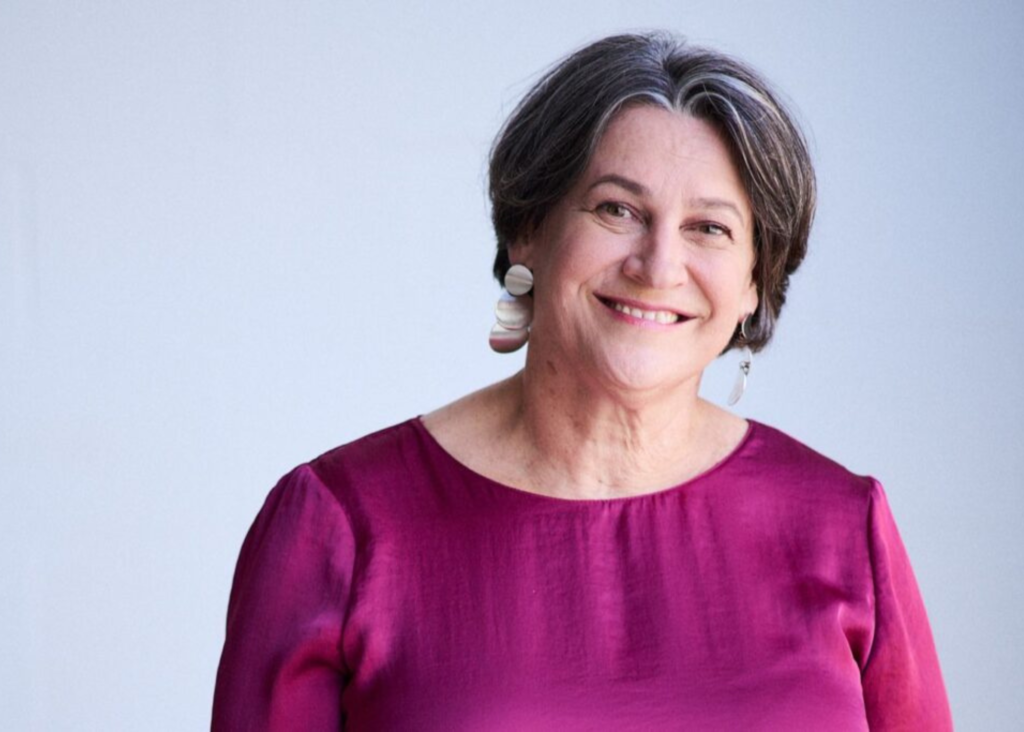
Karen Percy
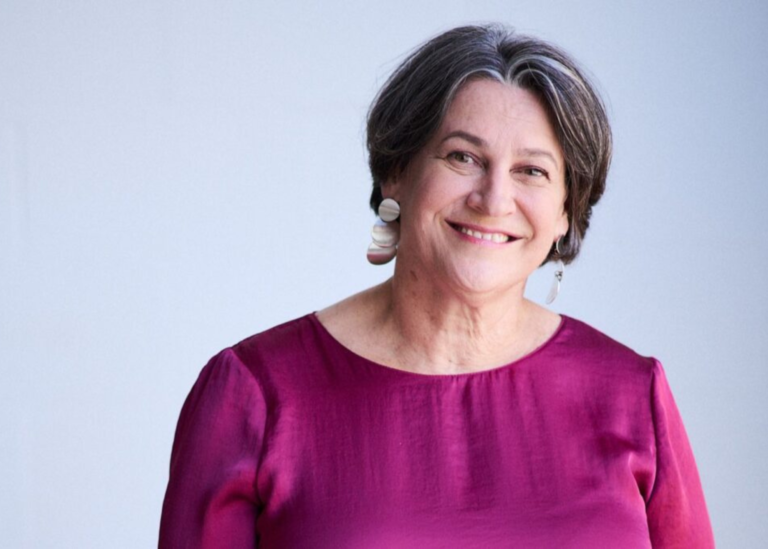
Karen Percy is a journalist, director and media advocate who has been a friend of the Australian Intercultural Society since 2014. She has more than three decades of experience in journalism and has been a strong advocate for ethical, public-interest journalism, media diversity and trauma-informed practice.
Karen spent much of her career with the ABC, working in Australia and internationally, including as the ABC’s South East Asia Correspondent based in Bangkok. She also worked as a freelance correspondent in Moscow and has reported for organisations including the Canadian Broadcasting Corporation, Deutsche Welle, SBS and Radio New Zealand.
From 2022 to 2025, Karen served as Federal Media President of the Media, Entertainment & Arts Alliance, representing more than 5,000 journalists and media workers and advocating on issues including press freedom, workplace safety, diversity and ethical journalism. She previously served as a Media Vice-President and was a member of the MEAA board from 2017 to 2025.
Karen was also a director of the Walkley Foundation from 2017 to 2025, serving as Deputy Chair from 2021, and was Chair of the Dart Centre Asia-Pacific from 2020 to 2022. Her work with the Dart Centre and the ABC’s peer-support program has contributed to her longstanding interest in the impact of trauma on journalists and the importance of trauma-informed reporting and workplace practices.
Today, Karen works as a freelance journalist, investigator, researcher and consultant, including work in media literacy, trauma education and communications.


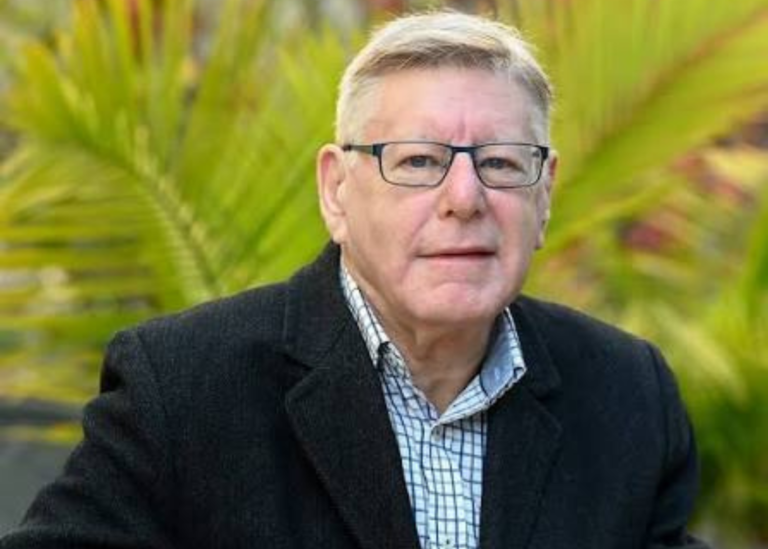
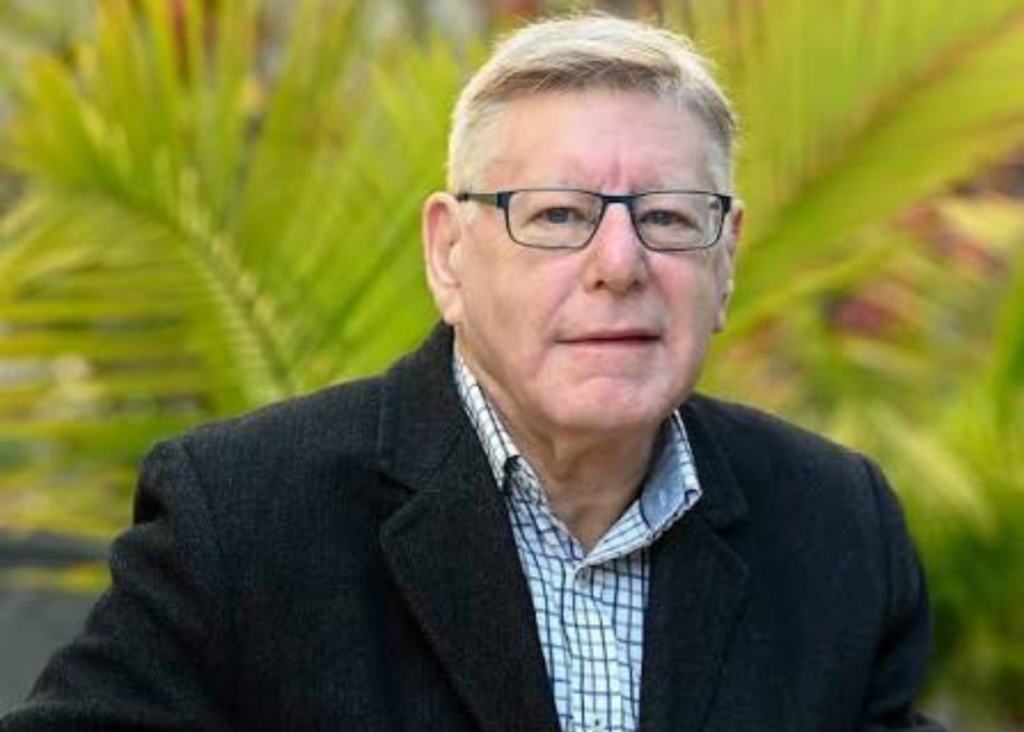
Honourable Bruce Atkinson
The Honourable Bruce Atkinson is a former President of the Victorian Legislative Council and former Member for Eastern Metropolitan Region, having served in the Victorian Parliament for 30 years from 1992 to 2022.
Bruce was first elected to Parliament in 1992 as the Member for Koonung Province and, following changes to the Legislative Council’s electoral structure, was elected as a Member for Eastern Metropolitan Region in 2006. He served as Deputy President of the Legislative Council from 2006 to 2010 before becoming President, a position he held from December 2010 until December 2018.
During his parliamentary career, Bruce held a range of positions including Parliamentary Secretary for Planning and Local Government, Shadow Minister for Small and Medium Enterprises, Shadow Minister for WorkCover and Shadow Minister for Sport and Recreation. He also served on a number of parliamentary committees, including those relating to electoral matters, privileges, environment and planning, economic development and infrastructure.
Before entering Parliament, Bruce trained and worked in journalism before moving into public relations, promotions, retail management, publishing and marketing consultancy. He also had a strong background in local government, serving as a Councillor of the former City of Nunawading and completing two terms as Mayor before the municipality was amalgamated into the City of Whitehorse.
Throughout his public life, Bruce has maintained a strong interest in local communities, small business, planning and local government. He retired from the Victorian Parliament in 2022 after three decades of service.

Barney Zwartz
Barney Zwartz is a journalist, writer and Senior Fellow at the Centre for Public Christianity, with a longstanding interest in religion, public life, classical music and opera.
Barney spent 32 years at The Age, including 12 years as Religion Editor, where he became one of Australia’s most recognised journalists covering religion, faith and their place in contemporary society. He continues to write for Australian media on issues relating to faith, politics and public life, as well as classical music and opera.
Throughout his career, Barney has been a strong advocate for informed and thoughtful reporting on religion and for greater understanding between religious communities and wider society. His work has also included involvement in interfaith dialogue, and he has received recognition from interfaith organisations for his contribution to peace and understanding.
Barney remains a part-time Senior Fellow at the Centre for Public Christianity in Melbourne, contributing to public discussion on Christianity, religion, ethics and contemporary social issues.
Former Members
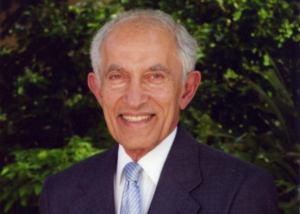
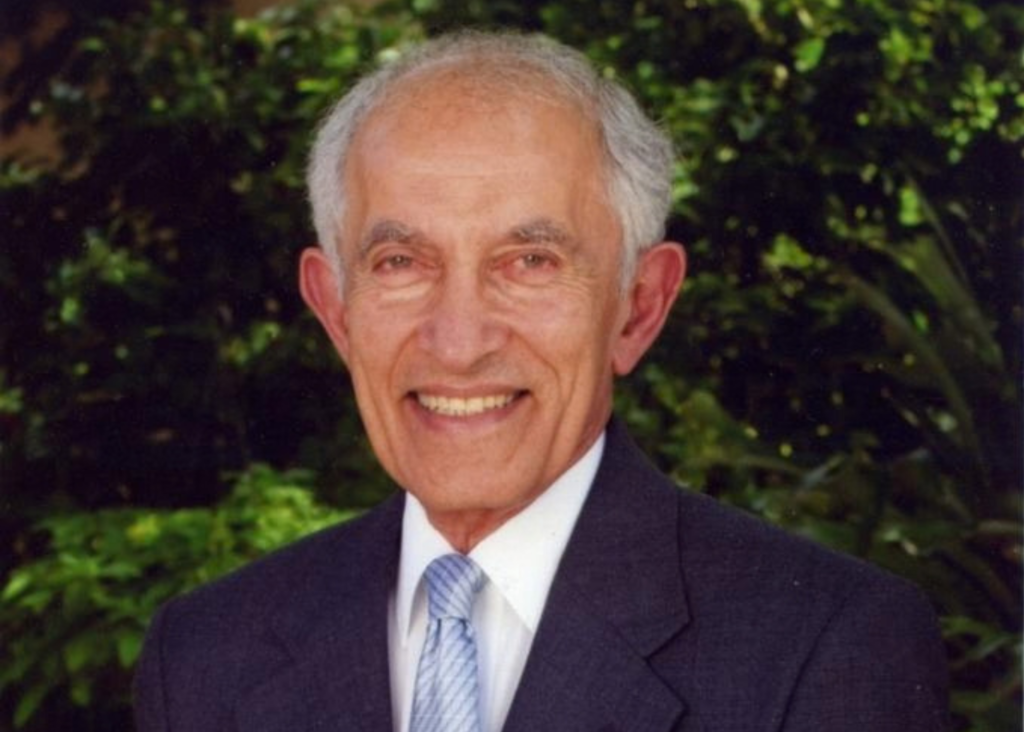
Professor the Honourable David de Kretser AC
Professor the Honourable David de Kretser AC is a distinguished reproductive endocrinologist, medical researcher and former Governor of Victoria. He served as the 28th Governor of Victoria from April 2006 to April 2011.
David has had a long and influential academic career at Monash University and is currently Emeritus Sir John Monash Distinguished Professor. His research has focused particularly on reproductive biology, endocrinology, male infertility and reproductive health, and he is internationally recognised for his contributions to the understanding and treatment of male reproductive disorders.
He was the founding Director of the Monash Institute of Reproduction and Development, which later became part of what is now the Hudson Institute of Medical Research, and also founded Andrology Australia, a national initiative providing evidence-based information on male reproductive health. His research career has produced hundreds of scientific publications and has contributed significantly to reproductive medicine in Australia and internationally.
David has also contributed extensively to international reproductive health, including through the World Health Organization’s Human Reproduction Program and the International Society of Andrology, where he served as President. He has trained researchers and clinicians from around the world and maintained extensive international research collaborations throughout his career.
Following his term as Governor, David returned to research at Monash University, continuing his work in reproductive endocrinology and male infertility. His contribution to Monash and medical science is also recognised through the annual David de Kretser Medal, established in his honour to recognise outstanding contributions to the University’s Faculty of Medicine, Nursing and Health Sciences.
He is a Fellow of the Australian Academy of Science, the Australian Academy of Technological Sciences and Engineering and the Royal Australasian College of Physicians, and has received numerous honours for his contributions to medicine, science and public service.
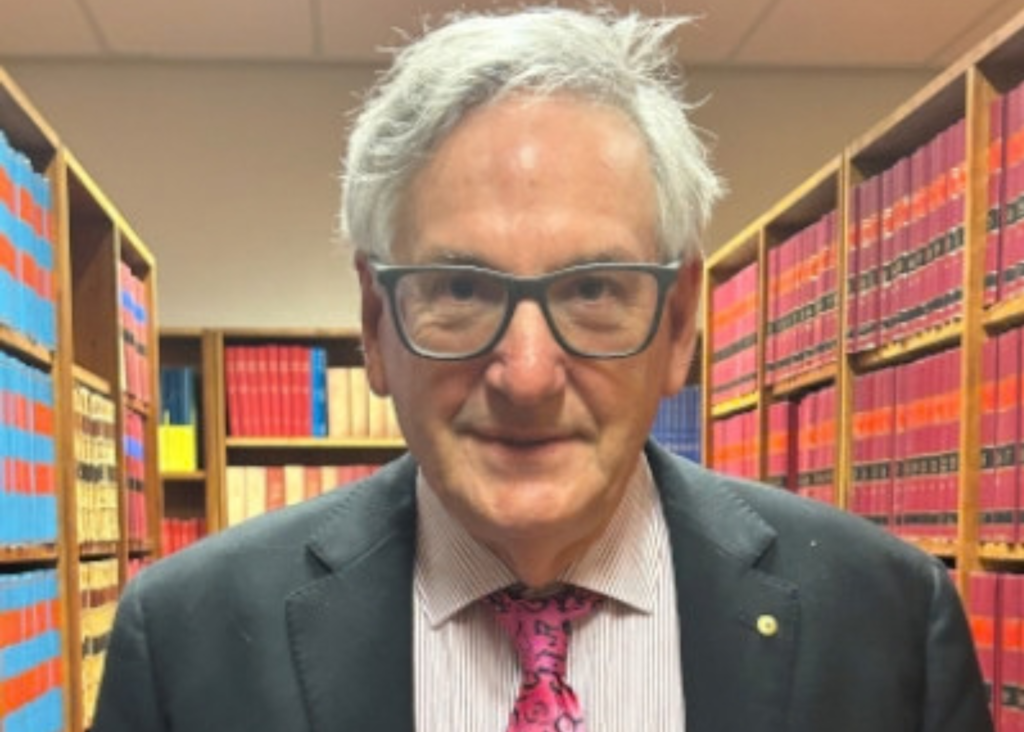
Shane Marshall
The Honourable Shane Marshall AM was a distinguished Australian judge, lawyer and advocate for mental health and social justice.
Justice Marshall was appointed to the Federal Court of Australia and the Industrial Relations Court of Australia in July 1995, following almost 14 years at the Victorian Bar, where he practised primarily in industrial relations and employment law. At the time of his appointment, he was the first Monash University graduate appointed to a superior federal court. He served on the Federal Court for more than 20 years, retiring in November 2015.
From 2004 to 2013, he also served as an additional non-resident judge of the Supreme Court of the Australian Capital Territory. After retiring from the Federal Court, he continued his judicial service as an Acting Judge of the Supreme Court of Tasmania from 2017 until September 2025, including in a full-time capacity from 2024. He also served as a judge of the Supreme Court of Nauru for refugee appeals from 2017 to 2021 and as Deputy Chairperson of the Victorian Racing Tribunal from 2019 to 2024.
Justice Marshall maintained a longstanding connection with Monash University, where he had completed degrees in Economics and Law with Honours. He served on the Board of the Faculty of Law, participated in the Monash Mentor Program and was recognised with the Monash Law Distinguished Alumni Award in 2024.
Beyond his judicial work, Justice Marshall was widely respected for his commitment to mental health advocacy within the legal profession. He was an inaugural director and ambassador of the Wellbeing and the Law Foundation and spoke openly about his own experience of depression to encourage greater awareness, support and openness among lawyers and judges.
He was also actively involved in community and intercultural initiatives, including serving as Deputy Chair of the Advisory Board of the Australian Intercultural Society.
Justice Marshall received the Centenary Medal in 2003 for services to industrial relations and was appointed a Member of the Order of Australia in 2020 for significant service to the law, the judiciary, industrial relations and mental health.
Justice Marshall died in August 2026. He is remembered for a judicial career characterised by fairness, humanity, social justice and a deep concern for the people affected by the legal system.
